Internationaler Kongress in Menorca: IV International Congress – Chess and Artificial Intelligence and Innovation in Education
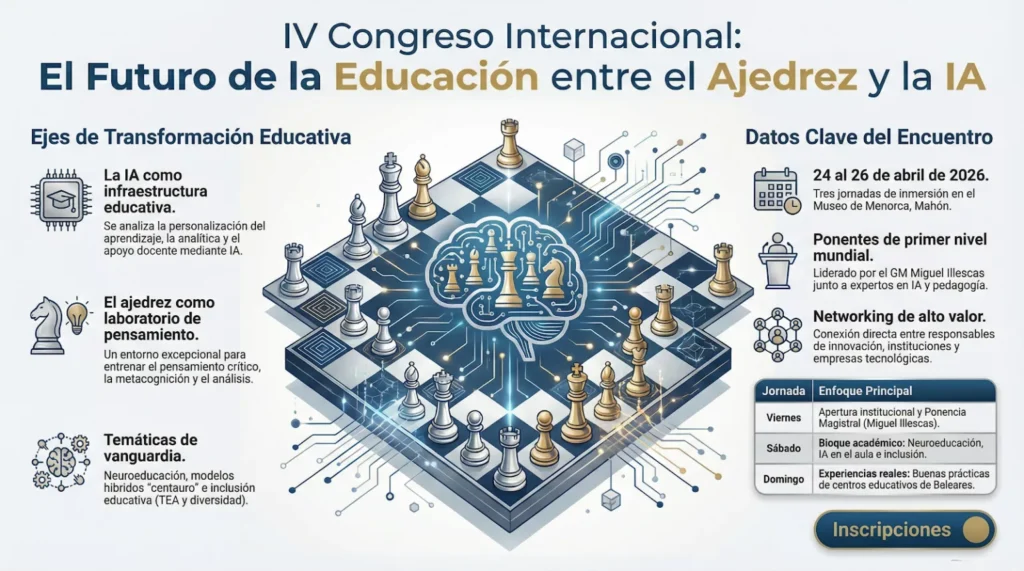
https://congresodeajedrezmenorca.com/
24.-26. April 2026
Dr. Mario Ramirez
Dr. Mario Antonio Ramírez Barajas is a specialist in chess and education, focused on how artificial intelligence can enhance learning, coach training, and the development of educational programs.
Dr. Cristóbal Blanco
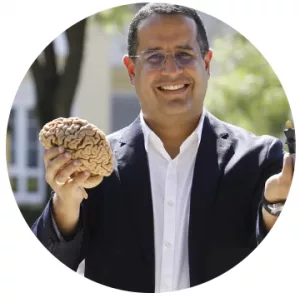
Dr. Cristóbal Blanco is a specialist in chess and neuroeducation, focused on how chess training can improve attention, memory, and learning.

Dr. Isaac Lozano
Dr. Isaac Lozano holds a doctorate in artificial intelligence and works on the application of AI techniques to chess, especially in game analysis, algorithm-assisted training, and new data-driven educational tools.
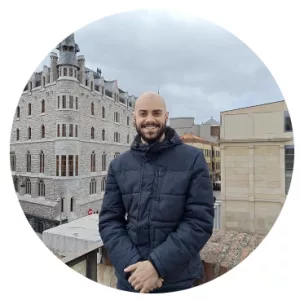
Beñat Lomas
Engineer Beñat Lomas focuses on the automation of business processes and brings a practical vision of efficiency to chess: how to use digital tools and AI to optimize the management of clubs, tournaments, and educational projects.
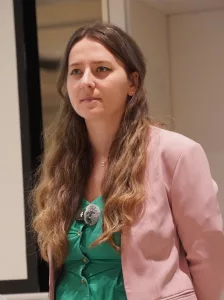
Madalina Lejean
Mădălina-Maria Lejean-Anușca is an educational chess specialist, leader of the Romanian national program „Education through Chess,“ and ChessKid’s partnership coordinator for Europe, Asia, and French-speaking countries. She works with schools, teachers, and international organizations to integrate chess as an educational methodology that supports cognitive and social development. Her work focuses on innovative pedagogy, teacher training, and the integration of digital tools and AI in education.

Fran Otero
Fran Otero , founder of ChessForEdu and Caissa, is a pioneer in digital solutions applied to chess, focused on educational innovation, technology-assisted training, and tools to modernize chess teaching and management.

Dilda Nauryzbayeva
Dilda Nauryzbayeva is the Director of Educational Projects at the International School Chess Federation (ISCF), where she leads the development of the OpenBoard Edu platform. This platform integrates AI to personalize learning and provide evidence-based analytics, focusing on supporting teachers and delivering measurable outcomes in chess education. With a background spanning EdTech, fintech, and higher education leadership, Dilda specializes in translating educational strategy into scalable and adoptable product systems. She holds a PhD and promotes the responsible integration of AI to deliver tangible value to education.

Mauricio Arias
IM Mauricio Arias is a leading figure in educational chess at FIDE America: he promotes training programs and provides a practical vision for integrating chess into schools and social projects (including the application of digital tools).
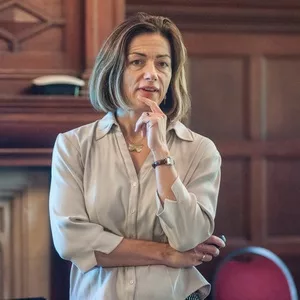
Rita Atkins
Rita Atkins is an international leader in educational innovation, specializing in the integration of chess as a pedagogical tool and in the design of training programs for teachers. Her work focuses on how to apply active methodologies and digital resources—including artificial intelligence—to personalize learning, improve decision-making, and strengthen critical thinking in the classroom, connecting the chessboard with key 21st-century skills.
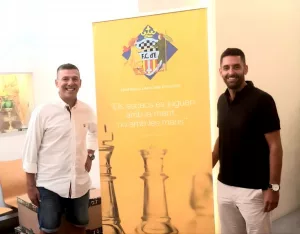
Ramon Perez – Eloi Nortes.
Eloi Nortes Mesas is a teacher, educator and a leading figure in educational innovation within the FEDAC network, with extensive experience in educational chess and teacher training.
Ramon Perez Rodriguez is a teacher and educational psychologist, coordinator of the EduEscacs program and specialist in the pedagogical use of chess as a tool for the integral development of students.
17:00 – 17:30 · Institutional opening ceremony
Reception and official opening
17:30 – 18:30 · Opening keynote address
Dr. Mario Ramírez — Chess, AI and personalized learning
18:30 – 19:00 · Presentation by
Rita Atkins — The challenges and opportunities for educators in the digital and AI age
* 19:00 – 19:30 · Question and discussion session
10:00 – 10:30 · Presentation
by IM Mauricio Arias — Implementation of chess in schools alongside AI
10:35 – 11:05 · Presentation
by Dilda Nauryzbayeva — From pilot to test: practical evaluation of the CIE with AI support in real classrooms
11:05 – 11:25 · Coffee break (20′)
11:25 – 12:25 · Keynote address
by Dr. Cristóbal Blanco — Think in mode 3… Predictive thinking that builds a light-year-long brain
12:25 – 12:35 · Questions and answers (10′)
12:35 – 13:35 · Presentation by
Ramón Pérez — NEXTChess: Executive function training… (25′)
13:35 – 13:45 · Questions and answers (10′)
13:45 – 14:00 · End of the morning session
16:00 – 16:30 · Presentation
by Madalina Maria Lejean — The augmented teacher: how AI enhances human teaching (case study: educational chess) (20′)
16:30 – 16:35 · Questions and answers
16:40 – 17:40 · Presentation
by Eng. Fran Otero — Intelligent educational chess platforms and success stories (60′)
17:40 – 17:45 · Questions and answers
17:45 – 18:45 · Presentation
by Dr. Isaac Lozano — We all function with patterns: how AI finds them in chess and in the classroom (60′)
18:45 – 18:50 · Questions and answers
18:50 – 19:30 · Presentation
by Eng. Beñat Lomas — The “centaur” or hybrid model applied to education (30′)
19:30 – 20:00 · Official closing of the Congress
10:00 a.m. – Visit to the Thalassa Museum (Es Castell)
We will discover the maritime and heritage history of Es Castell through a guided tour of the Thalassa Museum.
11:00 a.m. – Presentation: “Chess and AI: an opportunity for change”
An inspiring talk about the impact of chess and artificial intelligence on education, innovation and social development.
11:30 a.m. – Official closing of the Congress
Closing ceremony with acknowledgments, conclusions and institutional farewell.
12:00 h – Sightseeing tour of Es Castell.
Tour of the main points of interest of the municipality to end the day.